You’ve spent months—maybe years—battling planning departments. You’ve sweated over drainage, foundations, and the perfect interior styling for your modular retreats. Now the doors are open, but you are committing the most expensive mistake in the industry: handing 15% to 30% of your revenue to a Silicon Valley giant because you think you “can’t do marketing.”
Relying solely on Online Travel Agents (OTAs) isn’t a strategy; it’s a tax on your hard work. When you outsource your guest relationship to a third party, you lose control over your brand, your data, and your profit margins. Book direct marketing is the only way to ensure your resort remains a business, not just a high-maintenance hobby.
Why Your Website Is Actually Your Only Real Shopfront
Most developers view their website as a digital brochure. They are wrong. In the experiential hospitality sector, your website is your primary engine for direct bookings. Malcolm Freeman of Oxygen Graphics notes that many startups fail to invest in a website because they don’t think it’s essential, yet it is the most vital part of your marketing mix
Your business is 50% online. Think about the guest journey. They find you on a search engine, they compare your photos, they check your availability, and they pay their deposit—all before they ever step foot on your land. If that digital experience is clunky or confusing, a guest is only one click away from a competitor. A “confused mind always says no”
Building a high-performing site isn’t just about looking pretty. It’s about architectural SEO. You need clear navigation, well-structured menus, and a straightforward checkout process. When we talk about ROI, consider this: an OTA booking costs you 20% commission plus taxes. If you invest $2,000 into a bespoke website that captures those same guests directly, the site pays for itself after just a handful of stays.
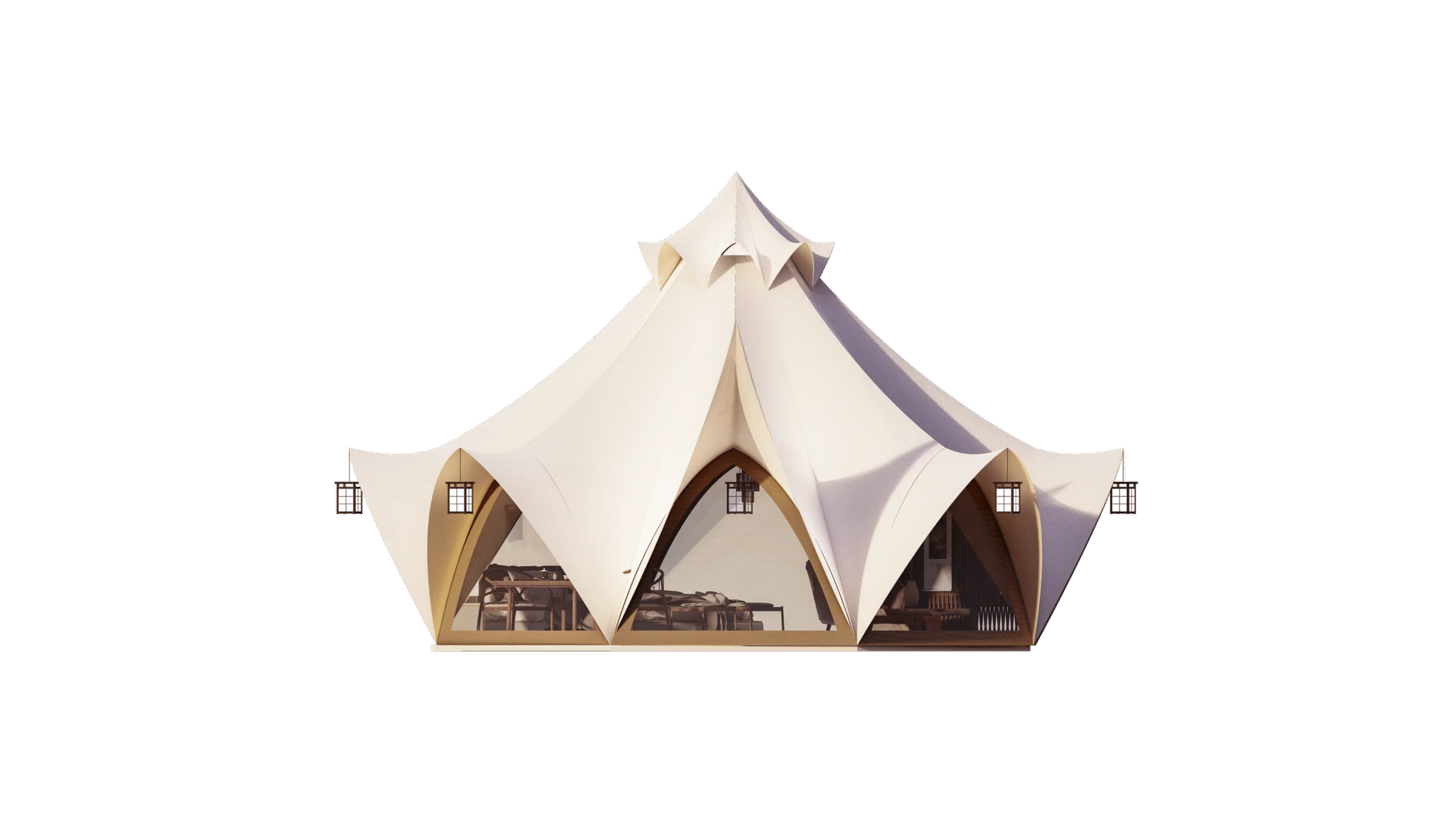
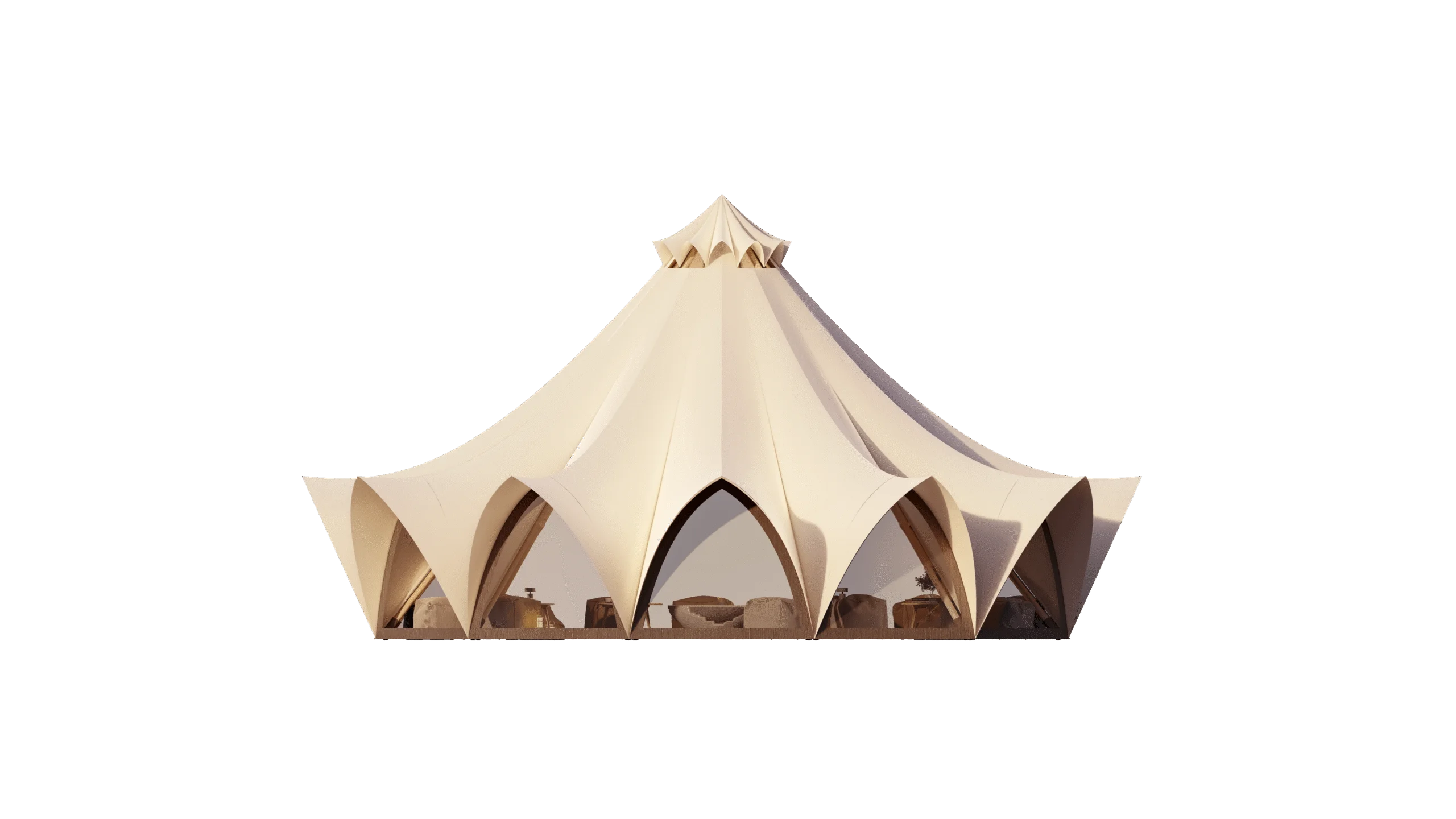
Furthermore, you must own your ground. When you run your business through a Facebook page or an OTA listing, you are building on “rented land”. They can change the algorithm, hike their fees (as Airbnb recently did to meet shareholder demands), or even “ghost” your listing. “Ghosting” occurs when an OTA keeps a version of your property visible even after you’ve left the platform, using your stunning images of Enchantents Octagomes to attract traffic, only to tell the user you are “fully booked” and redirect them to a competitor
A direct booking engine allows you to capture emails. This email list is your most valuable asset. It allows you to nurture past guests, offer unique deals, and drive repeat business that costs seven times less than acquiring a new guest. If your marketing strategy doesn’t end with you owning the guest’s contact information, you don’t have a strategy—you have a leak.
The $850,000 DIY Publicity Blueprint
You don’t need a high-priced agency to get featured in global news. Sunny from Bubble Tents Australia is proof. He generated a staggering $850,000 in PR value across 30 different countries without a media agency. How? By being remarkable and relentless.
He didn’t start with a $100,000 agency campaign. He started with a goal: target one publication a day for 30 days. He leveraged a “win” from a small publication to pitch a larger one. Within 48 hours of a major article hitting, he had booked out eight months of inventory
Publicity is about storytelling, not features. Journalists don’t care about your mold-resistant acrylic fabric (even though your guests certainly will when it stays white for 10 years). They care about your “Why.” They care about the corporate executive who quit the city to build a floating sanctuary, or the dad who built a retreat in his garden during lockdown
“Facts tell and stories sell. Your story is your best asset—and no agency can tell it like you can.”
To repeat Sunny’s success, you need a media toolkit. This includes professional-grade photos (landscape and portrait), your logo, and a compelling bio. When you pitch, make the journalist’s job easy. Use an enticing subject line and bullet points to summarize your story. If you have a modular, interconnectable Simetrix Hexagome, don’t just send a photo of the tent. Send a photo of a guest sipping local wine while watching the sunset through the panoramic windows. Sell the experience, and the media will sell your beds for you.
Glamping Social Media: The Viral Magnet
Glamping social media isn’t about posting every day; it’s about posting the right thing. Derry Green of The Secret Garden Glamping proved this by building an audience larger than many multi-billion dollar resorts. He didn’t use expensive ads. He used organic storytelling that focused on the “wow” factor
His newest unit, the Oasis, sold out in 47 minutes before anyone had even seen a single photograph of the interior. That level of demand comes from deep brand trust. His audience knows that whatever he builds will be an improvement on the last. He doesn’t just sell a room; he sells a moment that is “thumb-stopping” on a feed
The Retreat Feeder: Filling the Midweek Gap
Midweek occupancy is the “Achilles’ heel” of the glamping sector. Most hosts fill their weekends with ease but stare at empty units from Tuesday to Thursday. This is where a feeder business like retreats becomes essential
By running wellness workshops, corporate leadership retreats, or foraging weekends, you aren’t just selling a bed; you are selling a transformation. Laura from Welsummer managed to sell 10 of 15 retreat spaces almost immediately after changing her messaging to focus on the emotional benefit rather than the schedule
The corporate world is desperate for this. High-performing professional women are looking for “days of bad-assery” where they can chop wood and jumpstart cars before sitting down to a three-course meal in a beautifully appointed Hexagome. These groups often have higher discretionary income and are less price-sensitive than weekend families
Plus, retreats create a “ripple effect”. When 10 women have a life-changing experience at your site, they go home and tell their networks. They post on LinkedIn. They become your brand ambassadors. Suddenly, your quiet midweek periods are your most profitable days because you
We’ve bundled accommodation, food, and expertise into a high-ticket offer.
Onboarding: The Human Touch Through Automation
Marketing doesn’t stop when the guest books. In fact, that is when the most critical phase—onboarding—begins. Many hosts take the money and then go silent until the day of arrival. This leads to “buyer’s remorse” and a flurry of anxious questions
Automation is your friend here. Use tools like Touch Stay to create a digital guest book that answers the top five frequently asked questions before they are even asked. Send a sequence of emails: one immediately after booking to celebrate the decision, one a month out with local secrets (the best pizza or a hidden hiking trail), and one 24 hours before arrival with parking instructions
This isn’t about being robotic. It’s about being “human at scale.” Write these emails in your own voice. If you are playful, be playful. If you are professional, be professional. When guests feel “loved” and prepared before they arrive, they are more likely to leave that five-star review that drives your next dozen direct bookings
The High-End Shift: Why Premium Matters Now
The market is bifurcating. The “budget” end—tents in a field with a shared portaloo—is struggling. Guests are becoming more demanding. They want the comfort of a five-star hotel with the soul of the outdoors
This is why your choice of structure is a marketing decision. A structure made from premium acrylic fabric with a 5-year warranty isn’t just an expense; it’s a reliability statement. Guests are increasingly savvy about sustainability. They want to know your site has a “leave no trace” ethos. They are looking for “Impact Investment”—staying in places that give back to the community or use circular economy principles
When you choose a modular system like the Simetrix Collection, you are buying flexibility. You can interconnect units to cater to the growing trend of multi-generational travel, where grandparents, parents, and kids all want to holiday together but need their own private pods. This “together but separate” model is one of the most profitable and least competitive segments in the industry today
Let the Mess In: The Reality of DIY
I’m not going to tell you it’s easy. DIY marketing can be a slog. You will make mistakes. You might buy a silent disco system for $1,000 only to realize your guests don’t want it. You might spend hours ironing sheets before realizing you need to outsource your laundry to stay sane
The most successful owners are those who treat business as a series of experiments. They don’t wait for “perfect.” They launch a “Minimally Viable Product” and tweak it based on guest feedback. They understand that they can’t be everything to everyone
If your site is down a dusty, unpaved road, don’t hide it. Market it as “the path less traveled”. If you don’t offer Wi-Fi, don’t apologize. Sell it as a “digital detox”. Authenticity builds a relationship that an OTA can never replicate.
Frequently Asked Questions (FAQ)
Is “Book Direct Marketing” really worth the effort compared to OTAs? Yes. An OTA takes 15-30%. On a $300-a-night stay, that’s up to $90 per night you are losing. Over a season, that is the cost of a new Octagome. Plus, OTAs often block you from communicating directly with your guests, preventing you from building long-term loyalty
Do I need a huge social media following to be successful? No. While Derry Green has 750,000 followers, many successful sites thrive with much smaller, highly targeted audiences. It is about engagement, not just numbers. A list of 500 past guests who love your “About Page” story is more valuable than 10,000 random followers who will never book
How do I handle the “Greenwashing” fear? Transparency is the antidote. Don’t claim to be 100% sustainable if you aren’t. Share your journey. Guests love to see that you are planting 400 trees or using composting toilets to save 52 liters of water per person, per day. Be honest about your compromises, and they will trust your successes.
Can I run a glamping business while holding a full-time job? Dina from Windward Ranch did it while living three hours away and working full-time in television. The secret is automation and a trusted local team for changeovers. You need a robust online booking engine and digital guest books so the business “runs itself” while you are at your 9-to-5
What if I don’t like being on camera? You don’t have to be a “TV star.” Powerful publicity can come from written articles, beautiful photography, or even just sharing the story of your land. However, you must be willing to represent your brand. Guests book people, not just pods.
Your Path Forward
The “cheese” has moved. AI-powered search means people are finding answers without clicking your website. To survive, you must become omnipresent. You must be in the inbox, on the social feed, and in the media.
Stop thinking of yourself as a “campsite owner.” You are a hotelier. You are a storyteller. You are a curator of experiences.
If you continue to hide behind a third-party booking platform, you are leaving your destiny in the hands of an algorithm that does not know your name. It’s time to take the wheel.
If you turned off all third-party platforms tomorrow, would your business still exist by Friday?
Recommended Next Steps:
Audit Your Assets: Do you have “hero” imagery that Provokes a “wow” response? If not, book a professional shoot this week.
Claim Your Ground: Ensure your Google Business Page is claimed and you are actively collecting reviews to boost your local SEO
Build Your Toolkit: Create a one-page press release and a folder of high-res images so you are ready when the media calls
Links for further growth:
The Eco Resort Network – For high-level collaboration and global insights.
The Glamping Show US – To see the latest in modular structures and network with industry giants.
Inspired Courses – For deep dives into guest attraction and direct booking strategies.
How can I get $850,000 in DIY glamping publicity?
Tell me more about the Enchantents Mandala Collection.
How do I create a guest nurture email sequence?